Aqueduct is the intelligence layer above the building systems you already run. It measures water, energy, thermal and air across every site in the estate, finds what is being lost, and produces the evidence your regulator, your rating and your board are asking for. No rip and replace.
One observability layer for water, energy, air and building systems
Short answer
A BMS controls plant. A BEMS optimises building energy. An EMS manages energy across assets. Aqueduct is the layer above whichever of those you run: it measures water, energy, thermal and indoor air quality, attributes consumption below site level, and produces audit grade evidence. It reads BACnet, Modbus, LoRaWAN, cellular, MQTT, OPC UA and vendor APIs across 130+ device types.
Module
aQ Core
The sensing spine and the brain.
Telemetry, asset model and event engine across every site
Portfolio analytics with per site ranking and normalised intensity
Agentic AI that diagnoses cause and ranks fixes by payback
Audit grade export for every framework in every market
Module
aQ WaterGuard
A water balance that has to reconcile.
Supply to reuse modelled as an equation, not a dashboard
Minimum night flow and off shift baselines as the leak signature
Reuse quantified stream by stream rather than claimed
Unaccounted loss published as an explicit number with an owner
Module
aQ EnergySmart
The building energy management layer.
Feeder level load, power factor and peak demand before the utility bills them
Plant efficiency as a ratio, trended against load and ambient
Occupancy driven scheduling instead of fixed profiles
Solar self consumption optimised against export
Module
aQ AirSafe
What people actually breathe.
CO2, PM2.5, VOC, temperature and humidity per zone, continuously
Differential pressure and air changes where the room class demands it
Ventilation tied to real occupancy so fresh air follows demand
Continuous records instead of a manual log sheet
Module
aQ Atria
The live digital twin.
Every system modelled so the schematic has to balance
An unreconciled equation becomes the alarm
Water balance and electrical single line, side by side
Covers failure modes nobody wrote a threshold for
Retrofit first
Layer it onto what already exists
Aqueduct sits on top of any existing BMS, meter or asset, from any vendor, without ripping anything out. Zero downtime, zero core replacement, and no lock in.
No rip and replace
Your BMS keeps running
Read only integration by default, so a commissioned control system is never modified. Supervisory control is a later, separate decision.
Vendor agnostic
Alongside the incumbents
Runs with Honeywell, Johnson Controls, Siemens, Schneider and Trane rather than displacing them. 130+ device types, any protocol.
On your network
Edge gateway, local buffering
An on site gateway reads BACnet, Modbus and SCADA and buffers locally, so a connectivity gap delays data rather than losing it.
Industries
Eleven very different buildings, one layer
The physics of a utility does not change between a hospital and a distillery. What changes is which failure matters most, and who is asking you to prove it.
A patient safety, compliance and utility intelligence layer that sits above your BMS. Operating theatres, NICU, PICU, isolation and dialysis, monitored con...
A building energy management layer that sits above any existing BMS, meters water, energy and air per floor and per tenant, and turns operational data into...
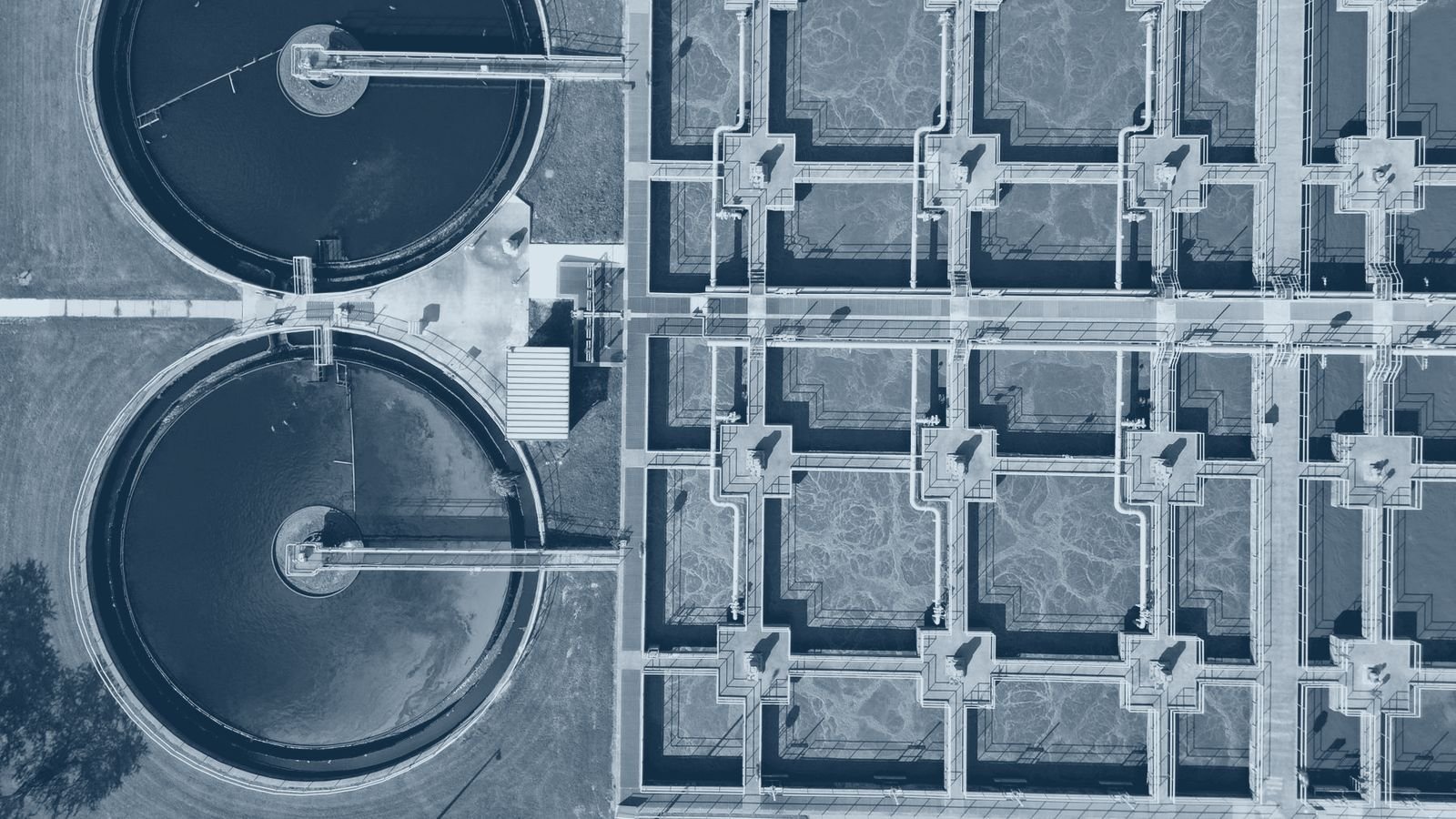
Aqueduct meters water, electricity, steam, compressed air, cooling and effluent across every unit on a campus, reconciles them into balances that have to a...
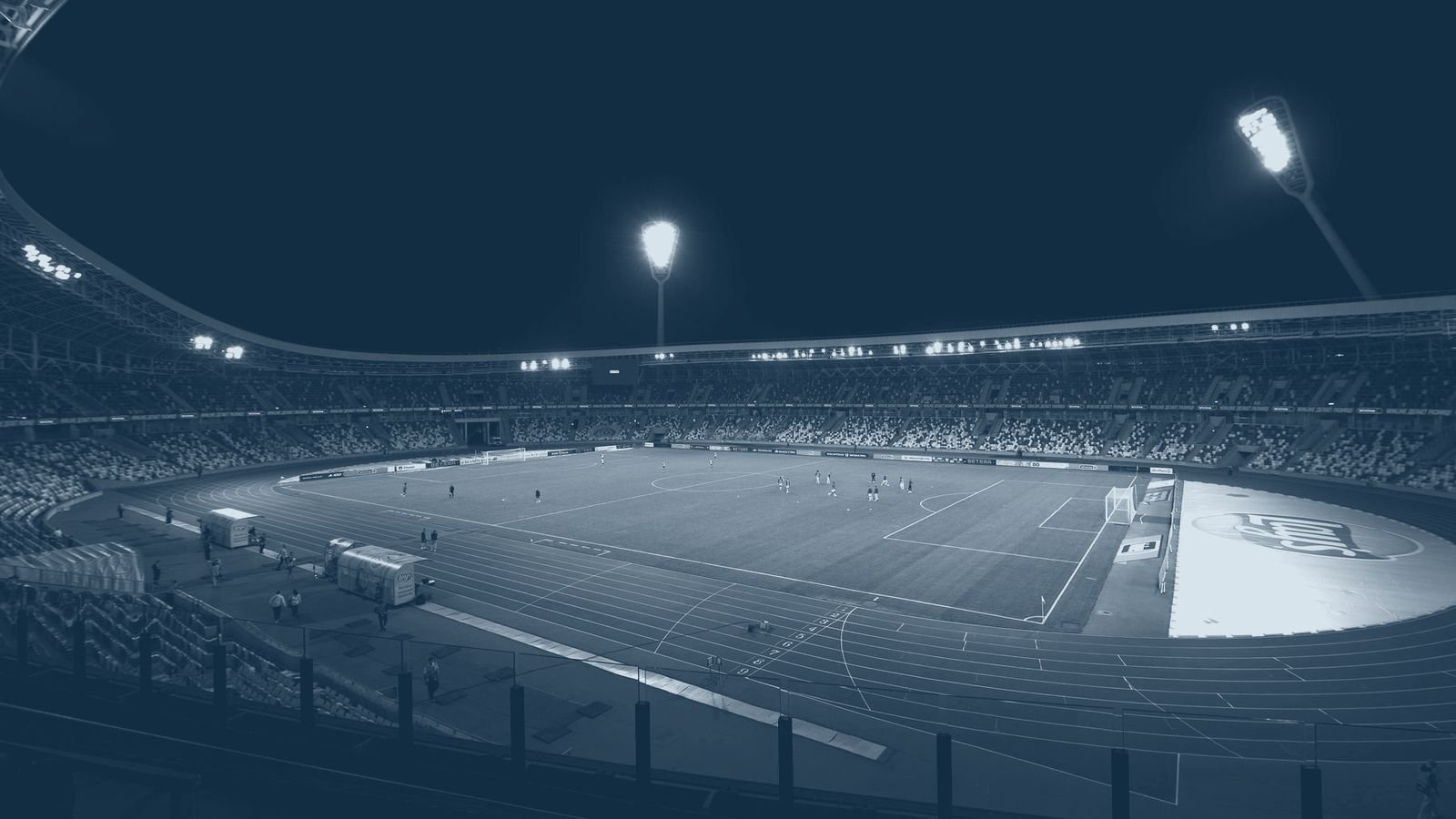
Aqueduct meters water, electricity, cooling, air quality and reuse across a working stadium, so the greenest venue becomes the provable one. Compliant, che...
Common area cooling, washroom water, food court ventilation and car park extract are the real cost base of a shopping centre. Aqueduct meters all of it, pe...
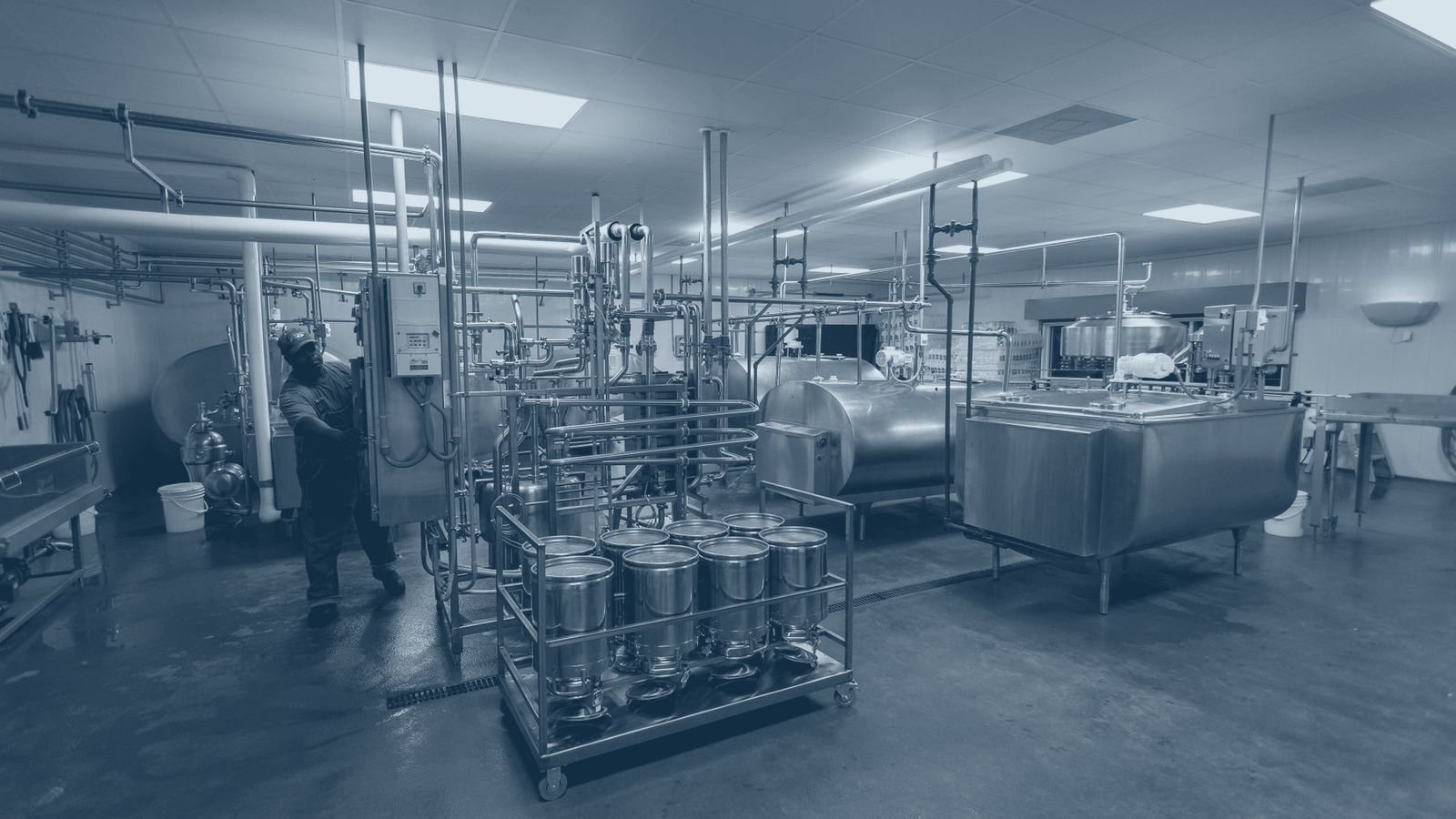
Aqueduct meters process water, CIP, refrigeration, boiler and steam, compressed air and effluent across a working dairy, line by line and shift by shift, w...
The parlour, the plate cooler, the bulk tank and the hot water system are where a dairy farm spends its energy and water. Aqueduct meters them, across one ...
Mashing, distillation, condensing and cleaning make a distillery one of the most water and steam intensive processes in food and drink. Aqueduct meters eve...
Facility management is being asked to evidence energy, water and air performance, not just deliver the service. Aqueduct gives an FM provider the measureme...
USA, Canada, UK, Middle East, India and Australia. Different acronyms, one underlying requirement: continuous, attributable consumption data, traceable to source.
What applies, by market
Market
Primary instrument
What it measures
The operational consequence
United States
ASHRAE 90.1, ENERGY STAR benchmarking, city building performance standards
Design compliance, then annual measured benchmarking
Disclosure is becoming performance improvement with penalties attached
Canada
NECB 2020, NRCan national benchmarking
Design compliance for buildings 600 m2 or 4 storeys and above, plus measured benchmarking
Benchmarking against a national dataset needs complete, attributable meter data
United Kingdom
MEES, ESOS, SECR
Asset EPC rating, organisational energy assessment, disclosed consumption and actions
EPC B for commercial above 1,000 m2 from 2031, and ESOS progress reporting to 2027
Middle East
Al Sa'fat, Estidama Pearl, DSM strategy
Green building compliance at permit, increasingly questioned in operation
Al Sa'fat Silver mandatory for new Dubai permits from 2026, 30 percent demand cut by 2030
The rating comes from your meter data and is visible to the market
Summarised for orientation, not as legal advice. Requirements vary by state, emirate, province and municipality, and by building type and size. Confirm the operative requirement for your own assets.
Published benchmarks run from 1 to more than 7 litres of water per litre of milk processed. Here is what sits behind the spread, why most plants sit worse than they think, and how to find your real number.
Clean in place is the largest single consumer of water and one of the largest consumers of energy in a dairy. Almost all of it runs to a fixed timer. Measurement, not shorter cycles, is what makes it safe to reduce.
Refrigeration takes 50 to 60 percent of dairy plant electricity. A fouled condenser, a wrong suction pressure or an iced evaporator never trips an alarm, because the product stays cold. It just costs more every hour.
Around 80 percent of dairy energy goes to steam and hot water. Failed traps can lose 20 percent of it, distribution wastes 10 to 20 percent more, and unreturned condensate is paid for three times over.
Dairy effluent carries BOD of 500 to 3,500 mg per litre depending on the line. CPCB wants outlet BOD at or below 30. BRSR Core wants the water numbers assured. Both need continuous measurement, not a monthly grab sample.
A large dairy runs hundreds of chilling centres and bulk milk coolers on unreliable power, with no telemetry. The first sign of a failure is usually a rejected tanker, hours after the fact.
The physics of a dairy plant does not change between Wisconsin, Dubai Industrial City and Andhra Pradesh. What changes is what water costs, what cooling costs, and who is asking for the evidence.
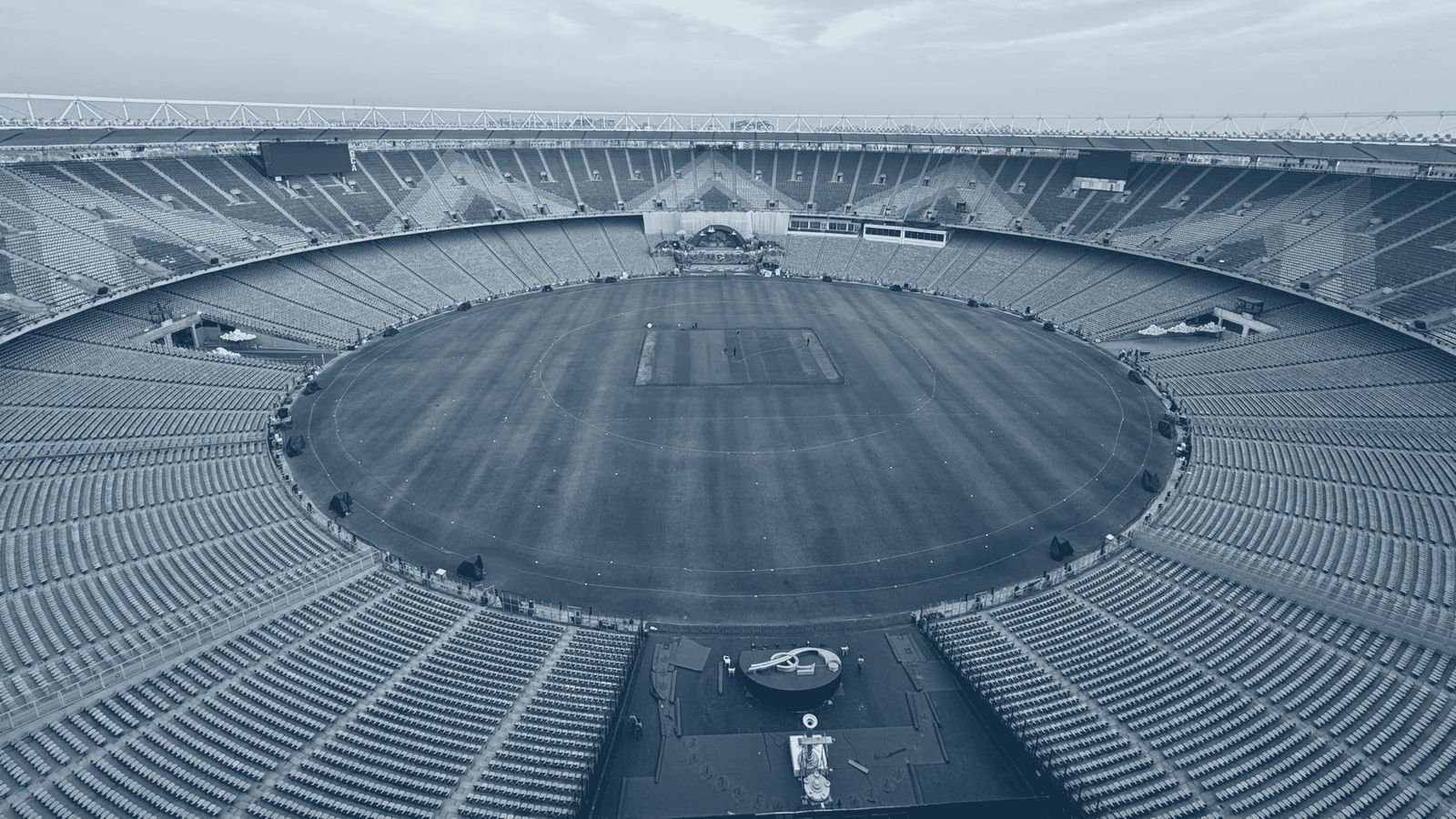
Fifty thousand kWh in ten hours, twenty six thousand gallons a day just to keep the grass alive, and a demand charge set in a fifteen minute window. The published numbers, and what they miss.
Of 26 stadiums inspected, 24 draw groundwater and 4 hold the permission. Three venues have already been restrained from hosting play. Point in time claims no longer satisfy the tribunal.
8 min read
Next step
Pick one site. We will measure it.
A 30 day Aqueduct baseline on a single building, plant, venue or campus. Non invasive instrumentation, your own numbers, and a named list of losses at the end of it. Nothing binding.